Hot flashes/Night Sweats are sudden and strong feelings of warmth or heat, especially over the face, neck, and chest. Hot flashes can cause heavy sweating and may leave you chilled after the hot flash passes. Your doctor may prescribe you non-hormonal medications such as antidepressants or nerve pain medicines that may decrease hot flashes. Beyond medication, there are certain things you can do to help with hot flashes and night sweats.
Patients should also pay attention to what triggers the hot flashes (i.e., stress, alcohol, spicy foods, caffeine) and avoid those triggers as much as possible.
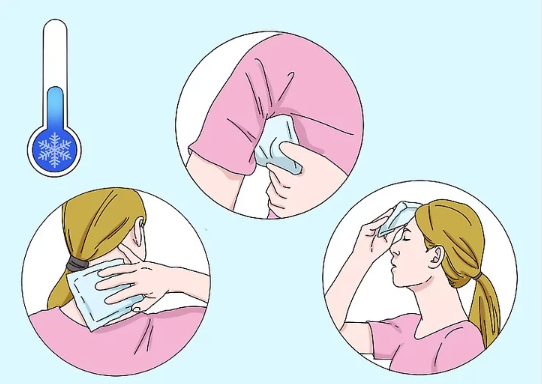
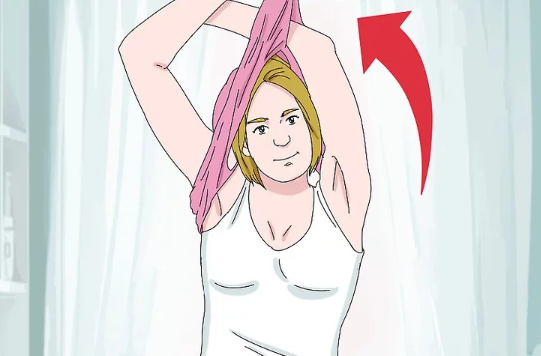
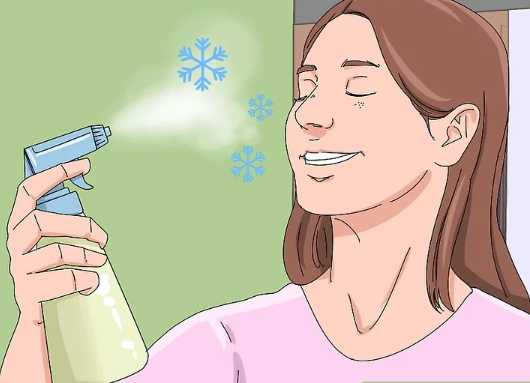
Tips to Manage Hot Flashes:
- Avoid caffeine and hot drinks.
- Avoid hot or spicy foods.
- Slowly sip on cold drinks.
- Avoid alcohol.
- Keep an ice pack under your bed pillow.
- Keep your home or bedroom cool.
- Dress in layers. Wear absorbent cotton clothing in layers that can be easily removed.
- Use sprays or moist wipes to help lower skin temperature.
- Quit smoking.
- Use relaxation techniques.
- Get acupuncture or massages.
- Exercise (physical activity), including yoga. In addition to helping with joint discomfort and bone loss, exercise can help you with hot flashes.
- Maintain a healthy weight.
Sources:
American Cancer Society, 2023. What are Hot Flashes and Sweating?
American Cancer Society, 2023. Managing Hot Flashes and Sweating.
Mayo Clinic, 2023. Hot flashes: Diagnosis & Treatment.
Irregular periods or spotting If you are premenopausal and are taking tamoxifen, you may experience menstrual irregularities, vaginal bleeding or menstrual periods may even stop. Depending on your age, your periods may resume during or after completion of your tamoxifen course. Please talk with your doctor if you are having irregular periods or spotting, and discuss any related concerns with your healthcare provider.
Source:
American Cancer Society, 2021. Tamoxifen and Raloxifene for Lower Breast Cancer Risk.
Loss of sex drive Hormone therapy may cause a loss of desire. Many women struggle with issues that affect sexuality after a breast cancer diagnosis. Talk with your doctor if you are experiencing loss of sex drive, s/he can treat physical symptoms that are affecting your sex life. A mental health care provider (such as a psychologist, sex therapist, social worker) or a counselor may also recommend available treatment or support services.

- Support groups can provide a safe place for you to talk about your problems with other women who understand you on a personal level.
- To find specialists trained in sexual health treatment for cancer survivors, refer to the American Association of Sexuality Educators, Counselors and Therapists (AASECT) at https://www.aasect.org/ or the International Society for the Study of Women’s Sexual Health (ISSWSH) at http://www.isswsh.org/.
Sources:
Susan G. Komen, 2023. Sexuality and intimacy. Breastcancer.org, 2023. Loss of Libido During and After Breast Cancer.
Vaginal dryness/Itching Vaginal dryness can cause pain during intercourse, vaginal soreness, and itching. It is one of the most common menopausal symptoms reported by women, and it is important to talk to your physician about it. There are over-the-counter and prescription options to relieve vaginal dryness, so talk with your healthcare team about which option is best for you.
Tips to manage vaginal dryness:
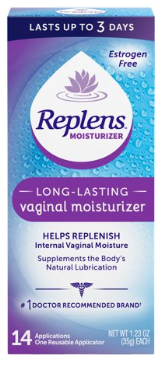
- Use vaginal moisturizers (such as Replens or Hyalo Gyn) on a regular basis. They are different from lubricants because instead of sitting on the skin’s surface, they are absorbed by the skin. Vaginal moisturizers are estrogen-free and therefore are safe for breast cancer survivors. They need to be used regularly, not just at the time of intercourse. Use vaginal moisturizers at bedtime for the best absorption. It’s not uncommon for women who’ve had cancer to need to use moisturizers several times per week. Vaginal moisturizers are different than lubricants – they last longer and are not usually used for sexual activity. Vaginal moisturizers are available without a prescription (over-the-counter).
- Use water- or silicon-based lubricants before sexual intercourse, which provide a temporary smooth feeling in the vagina; however, they do not provide longer-term moisturization as vaginal moisturizers do. It’s best to choose a water-based gel that has no perfumes, coloring, spermicide, herbal remedies, or flavors added, as these chemicals can irritate your delicate genital tissues.
- Use over-the-counter (available without a prescription) antifungal creams to provide relief for yeast infections.
Sources:
American Cancer Society, 2020. Managing Female Sexual Problems Related to Cancer. Breastcancer.org, 2024. Vaginal Dryness: Vaginal Moisturizers and Lubricants.
Pain during sex or dyspareunia Pain during sex is a legitimate health concern that can affect you and your partner. There are many things that can cause pain during sex, so it is important to talk to your doctor about the type of pain you are experiencing so that s/he can determine what sort of treatment is best for you. Do not let embarrassment keep you from getting medical care. It is important to let your partner know if any types of touching cause pain. Show your partner ways to caress you or positions that don’t hurt. Usually, light touching around the clitoris and the entrance to the vagina won’t hurt, especially if the area is well-lubricated.

Some treatment options include:
- Vaginal moisturizers are estrogen-free, over-the-counter moisturizers that are used regularly rather than just at the time of intercourse. It keeps the vaginal area moisturized, unlike a lubricant which only makes the vaginal area slippery and is generally only used at the time of intercourse.
- Vaginal lubricants that are either water or silicone-based are used for sexual activity to increase comfort and pleasure, i.e., gels, and lubrication suppositories (soft gel pellets).
- Pelvic floor physical therapy is helpful for women with tight or tender muscles. Working on pelvic floor muscle health can keep muscles relaxed and reduce pain during sex.
- Vaginal dilators can be helpful for women with pain during penetration. The dilator increases comfort during intercourse by stretching the vagina and reducing tightness.
- Vaginal lidocaine is a topical treatment applied to the vaginal opening before sexual intercourse. It can help decrease pain.
Sources:
American Cancer Society, 2020. Managing Female Sexual Problems Related to Cancer. Breastcancer.org, 2022. Lidocaine May Help Ease Painful Intercourse After Breast Cancer Treatment.
Fatigue. You may experience fatigue if you feel tired all the time or lack energy, regardless of whether you are sleeping and resting well or not.
Many things, including cancer treatments, not eating enough, lack of sleep, depression, low-blood counts, stress and worry, changes in activity levels, changes in hormone levels, or some medicines can cause fatigue. About 80% to 100% of people with cancer report having fatigue.

Tips to manage fatigue:
- Talk with your medical team if you are experiencing fatigue all the time. If there is a medical cause, your doctor will be able to treat it.
- Try to prioritize your activities. Do the most important ones when you have the most energy.
- If you can, regular moderate exercise, especially walking, is a good way to ease fatigue. Talk to your doctor or medical team about the right exercise for you.
- Yoga, massage therapy, and dietary counselling can help with fatigue and weakness.
- Stay hydrated because dehydration makes fatigue worse. Drinking 8 cups of clear fluids every day is a common recommendation.
- Nap smart. Take 3 or 4 short naps or rest breaks during the day instead of 1 long nap.
- Try to do easier or shorter versions of your usual activities.
- Ask your family or friends to help with the things you find tiring or too hard to do.
- Avoid caffeine.
- Don’t take large amounts of vitamins or minerals without talking to your medical team first. Large doses of some supplements can have harmful effects.
Sources:
American Cancer Society, 2020. Fatigue and Weakness: What is Fatigue or Weakness? American Cancer Society, 2020. Fatigue and Weakness: Managing Fatigue and Weakness.