Your immune system attacks anything in your body that it recognizes as foreign—such as an invading microbe, plant pollen, or chemical.
The process is called inflammation.
Inflammation happens whenever our body tries to attack these invaders and protect our health.
But sometimes inflammation persists even when you are not threatened by a foreign invader. That’s when inflammation can become your enemy. Many major diseases that plague us—including cancer, heart disease, diabetes, arthritis, depression, and Alzheimer’s—have been linked to chronic inflammation.
One of the most powerful tools to combat inflammation comes not from the pharmacy, but from the grocery store. “Many experimental studies have shown that components of foods or beverages may have anti-inflammatory effects,” says Dr. Frank Hu, professor of nutrition and epidemiology in the Department of Nutrition at the Harvard School of Public Health.
Choose the right foods and you may be able to reduce your risk of illness. Consistently pick the wrong ones and you could accelerate the inflammatory process.
Foods that promote inflammation:
Try to avoid or limit these foods as much as possible:
- Refined carbohydrates, such as white bread and pastries
- French fries and other fried foods
- Soda and other sugar-sweetened beverages
- Red meat (burgers, steaks) and processed meat (hot dogs, sausage, and deli meats)
- Margarine, shortening, and lard
- Alcohol (liquors and beer)

Not surprisingly, the same foods that contribute to inflammation are generally considered bad for our health, including sodas and refined carbohydrates as well as red meat and processed meats. Unhealthy foods also contribute to weight gain, which is itself a risk factor for inflammation.
Foods that combat inflammation:
Some foods have anti-inflammatory properties that may reduce your cancer risk, according to a recent study at http://www.sciencedirect.com/science/article/pii/S1551714416301306?via%3Dihub. The basic anti-inflammatory diet involves regular consumption of multiple spices and herbs and increased intake of marine fish intake, cruciferous and colorful vegetables and fruit, olive oil, and green and black tea.
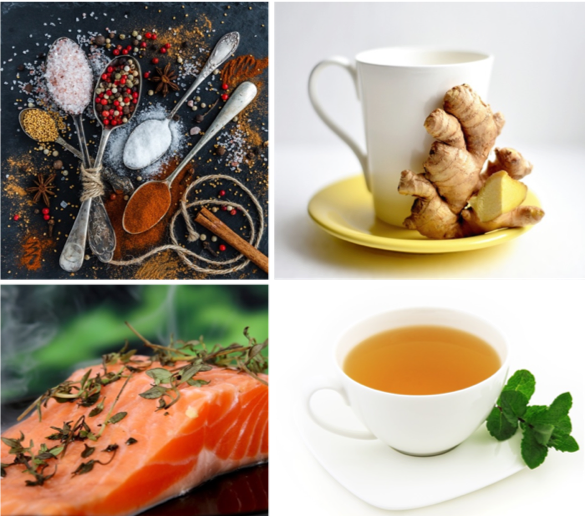
Spices: Cinnamon, ginger, turmeric, black cumin
Herbs: Chives, garlic, onion, cloves, rosemary, black pepper, chilies, oregano, thyme, lemongrass
Fatty fish: Salmon, cod, mackerel, sardines, tuna (fresh or canned)
Cooking oils: Olive, canola, grapeseed
Drinks: Green and black tea
Vegetables: Crucifers like cauliflower, broccoli, cabbage, kale, collards, Brussels sprouts, watercress
Fruit: Colorful fruit like cherries, grapes, melons, plums, blackberries, raspberries, pomegranate, blueberries, citrus (e.g., oranges)
Nuts: Nuts like almonds and walnuts
Fruits and vegetables such as blueberries, apples, and leafy greens that are high in natural antioxidants and polyphenols—protective compounds found in plants.
Studies have also associated nuts with reduced markers of inflammation and lower risks of cardiovascular disease and diabetes. Coffee, which contains polyphenols and other anti-inflammatory compounds, may also protect against inflammation. But moderation is recommended. In excess, coffee, and more particularly, caffeine, can cause problems.
To reduce levels of inflammation, aim for an overall healthy diet. If you’re looking for an eating plan that is an example, consider the Mediterranean diet, which is high in fruits, vegetables, nuts, whole grains, fish, and healthy oils.
In addition to lowering inflammation, a more natural, less processed diet can have noticeable effects on your physical and emotional health, such as boost your cognitive function and mental health, and lowers your risk of other chronic diseases.
Sources:
American Cancer Society, 2022. Eating Well After Treatment.
American Cancer Society, 2022. Benefits of Good Nutrition During Cancer Treatment.
Susan G. Komen, 2023. Healthy Lifestyles for People Who’ve Had Brast Cancer.