Eating healthy is fun, delicious, and good for your body in countless ways. Here are some guidelines to help you maintain a healthy diet. Learn them, practice them, and share them with your family and friends!
Check with your medical team to see if you have any food or diet restrictions, and if needed, consult with a dietitian to create a nutritious, balanced eating plan.
-
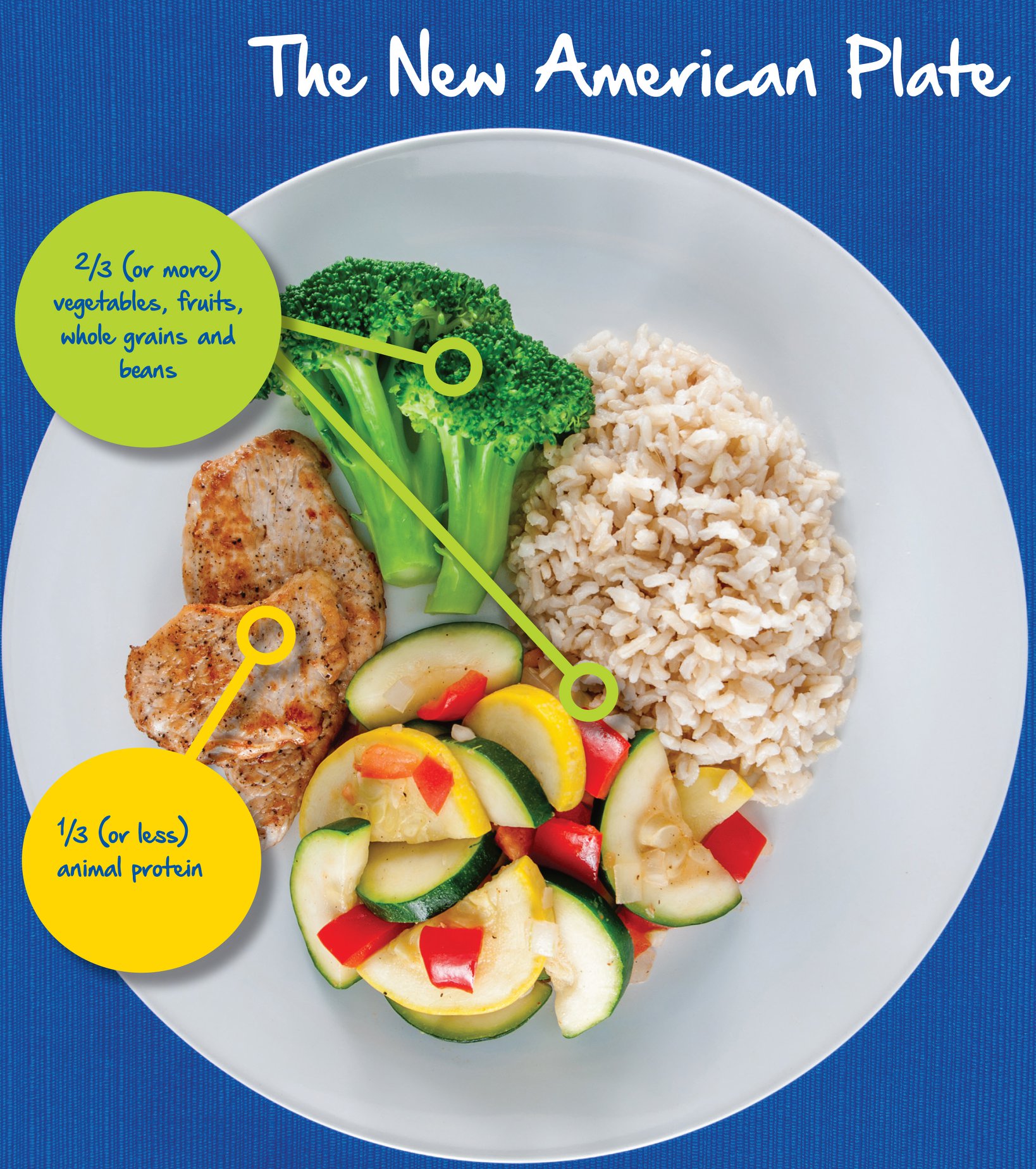
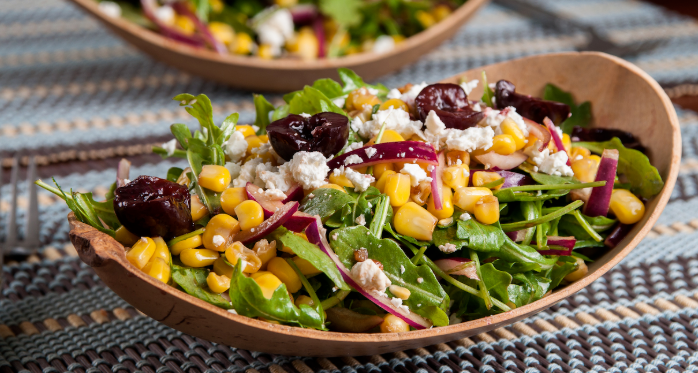
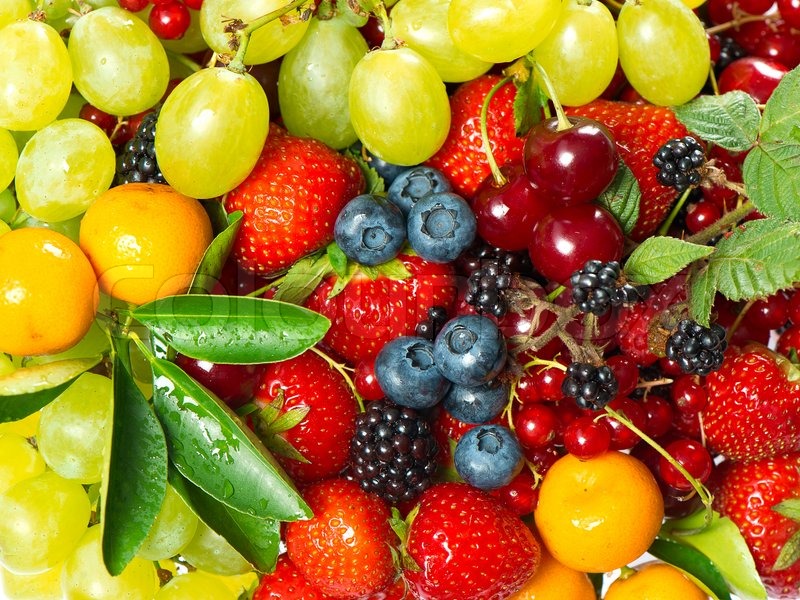
Eat at least 2 ½ cups of fruits and vegetables every day. Try to eat a colorful variety of vegetables – dark green, red, and orange – and whole fruits.
-
Limit “bad” fats (saturated fats and trans fats). These are found in foods such as red meat, deli meats, poultry skin, full fat dairy products, fried foods, margarine, donuts and microwave popcorn. For example, instead of microwave butter popcorn, try seasoning popcorn a different way: lemon pepper; curry powder; jerk seasoning; thyme; rosemary; sage; lemon and pickle zest; paprika; or dried mustard.
-
Eat “good” (polyunsaturated and monounsaturated) fats found in foods like olive and canola oil, nuts and natural nut butters, avocadoes, and olives.
-
Limit food portion sizes, especially with high-calorie foods and at restaurants. Most restaurants have serving sizes that far exceed daily calorie recommendations.
-
Limit red and processed meats. Instead, choose a leaner protein such as fish and chicken, and eat beans and lentils more often. For example: instead of beef and broccoli, try tofu with mixed vegetables; instead of a ground beef burger, try a black bean or turkey burger; instead of beef enchiladas with cheese, try chicken enchiladas with a tomatillo sauce.
-
Choose 100% whole-grain foods such as 100% whole-grain bread, pasta, and cereals, brown rice, and quinoa (for example, choose whole wheat bread instead of white bread, brown rice instead of white rice).
-
Choose vegetables and fruits instead of calorie-dense foods. For example, eat apple slices with peanut butter instead of having a slice of apple pie; eat roasted potatoes instead of French fries; order a side of vegetables instead of fried okra. Always be on the lookout for a healthier choice.
-
There are also some add-on food items that you should avoid because they are high-calorie, high-fat foods. These include: butter and butter sauces, salt, cream cheese, anything fried, adding extra cheese, mayonnaise, tartar sauce, cream sauces, buttermilk, heavy cream, whipped cream.
-
Avoid or limit sugar-sweetened beverages (sodas, sugary fruit juices and coffee), and refined grain products (i.e., cake or white bread).
-
Choose low-fat milk and dairy products.
-
It is best not to drink alcohol. If you drink, limit your intake to 1 drink a day for women and 2 drinks a day for men. Alcohol is a known cancer-causing agent.
-
Educate yourself. Always be on the lookout for healthier options. For example: start following healthy cooking blogs, look for free cooking classes at local grocery stores, gyms, or libraries (many times, cooking classes are for healthy foods); and ask a registered dietician about food swaps that you can try.
Sources:
American Cancer Society, 2022. Eating well after Cancer Treatment.
Susan G. Komen, 2023. Healthy Lifestyles for Breast Cancer Survivors.