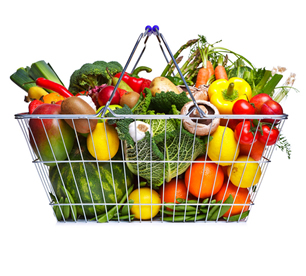
Phytochemicals are naturally occurring plant chemicals (phyto means plant in Greek) that have health-protecting qualities. They are found in fruits, vegetables, whole grains, beans, nuts and seeds, and things made from plants, like tofu or tea. They provide plants with color, odor and flavor. Once we eat them, research shows they can influence the chemical processes inside our bodies in helpful ways.
Laboratory studies have shown that phytochemicals have the potential to:
- Stimulate the immune system;
- Block substances we eat, drink and breathe from becoming carcinogens (cancer-causing substances);
- Reduce the kind of inflammation that makes cancer growth more likely;
- Prevent and help repair DNA damage;
- Reduce the kind of oxidative damage to cells that can spark cancer;
- Slow the growth rate of cancer cells;
- Trigger damaged cells to self-destruct before they can reproduce; and
- Help to regulate hormones.
This chart lists some of the phytochemicals now attracting serious scientific attention. The chart also identifies food sources and outlines potential benefits.
Phytochemicals
| Food | Compounds (Partial List) | Possible Protective Actions* |
|---|---|---|
| Apples | Flavonoids Anthocyanins (red apples) Epicatechin Quercetin Triterpenoids |
• Slowed development of colon, lung, and breast cancer cells in several stages of cancer development. |
| Blackberries, Blueberries, Raspberries, Strawberries | Elligatannins Pterostilbene Flavonoids Anthocyanins Catechins Kaempferol Quercetin Resveratrol |
• Decrease free radical damage to DNA that can lead to cancer • Decrease growth and stimulate self-destruction of mouth, breast, colon and prostate cancer cells In animal studies: • Decrease inflammatory cytokines, esophageal cancer and pre-cancerous changes in the colon • Decrease estrogen-induced breast cancer and DNA damage • Increase self-destruction of lung, stomach, pancreatic and breast cancer cells • Decrease formation of pre-cancerous colon polyps and reduce markers of inflammation |
| Broccoli, and other cruciferous vegetables like arugula, Brussels sprouts, cabbage (bok choy, Napa, red, green and other), cauliflower, collard greens, horseradish, kale, mustard greens, radishes, rutabaga, turnips, watercress | Carotenoids - Beta-carotene (in green selections) Indoles Isothiocyanates - Allyl isothiocyanate - Benzylisothiocyanate - Crambene - Phenylethylisothiocyanate - Sulforaphane - 3-phenylpropylisothiocyanate |
• Decrease inflammation linked to increased cancer risk • Inhibit enzymes that activate carcinogens (that produce cancer) and stimulate enzymes that de-activate carcinogens • “Turn on” genes that suppress tumors, slow cancer cell growth and stimulate cancer cell self-destruction • Promote cell communication that helps control abnormal cell growth |
| Coffee | Caffeine Phenolic Acids - Chlorogenic acid - Quinic acid Diterpenes |
• Speed carcinogens’ passage through the digestive tract • Influence cell signaling to help regulate cell growth, reduce inflammation and increase self-destruction of cancer cells • Link to lower risk of endometrial and liver cancer in humans |
| Dark Green Leafy Vegetables | Carotenoids - Beta-carotene - Alpha-carotene - Lutein Flavonoids |
• Inhibit the growth of certain types of breast cancer cells, skin cancer cells, lung cancer cells and stomach cancer cells • Decrease free radical damage to DNA that can lead to cancer |
| Dry Beans and Peas (Legumes) | Inositol Flavonoids Lignans Polyphenols Protease inhibitors Saponins Sterols Triterpenoids |
• Decrease growth factors and chronic inflammation • Increase self-destruction of cancerous cells |
| Soy (a type of legume) and soy products, such as edamame, soymilk, tofu | Additional Flavonoids - Isoflavones (daidzein, genistein, glycitein) Phenolic acids Protein kinase inhibitors Sphingolipids |
• 1–2 servings of soy foods daily does not raise breast cancer risk among breast cancer survivors • Benefit prostate cancer survivors |
| Flaxseed | Lignans | • Slow tumor growth and the ability to spread both estrogen receptor-positive (ER+) and -negative (ER-) breast cancer in animals • Decrease markers of inflammation, decrease number and size of colon cancer tumors and inhibit growth and spread of negative prostate cancers in animals |
| Garlic (and onions, chives, leeks, scallions, and shallots) | Allium Compounds - Allicin - Alliin - Allyl sulfides Flavonoids |
• Reduce carcinogens’ ability to initiate cancer • Reduce growth of bladder, colon, prostate and stomach cancer cells • Slow growth of breast, colon, esophageal, lung and stomach cancers in animals • Link to lower risk of colorectal cancer in humans |
| Grapefruit (and other citrus fruits) | Carotenoids - Beta-carotene - Lycopene Flavonoids - Naringenin Limonoids |
• Decrease free radical damage to DNA that can lead to cancer • Decrease growth and increase self-destruction of colon, mouth, skin, lung, breast and stomach cancers in animals |
| Squash (winter) and other orange-fleshed vegetables like carrots and sweet potatoes; and fruits like apricots, cantaloupes, and mangoes | Carotenoids - Alpha-carotene - Beta-carotene - Beta-cryptoxanthin - Lutein - Zeaxanthin |
• Decrease free radical damage to DNA that can lead to cancer • Help to control cell growth • Stimulate self-destruction and decrease growth and metastasis of several types of cancer cells |
| Tomatoes | Carotenoids - Beta-carotene - Lycopene |
• Decrease free radical damage to DNA that can lead to cancer • Stimulate self-destruction and decrease growth and metastasis of several types of cancer cells |
| Tea | Caffeine Flavonoids |
• Stimulate enzymes that shut down carcinogens • Decrease tumor growth • Increase self-destruction of cancer cells • Restrain spread of cancer cells • Decrease free radical damage to DNA that can lead to cancer |
| Walnuts | Elligatannins Flavonoids Phenolic acids Phytosterols |
• Decrease inflammation and free radical damage to DNA that can lead to cancer • Inhibit growth of cancer cells • Decrease growth of breast and colon tumors in animals |
| Whole Grains | Flavonoids Lignans Phenolic acids Phytic acid Protease inhibitors Saponins |
• Decrease growth of cancer cells • Link to lower colorectal cancer risk |
*Most from laboratory studies.
Human studies using whole foods have been conducted, but the results are limited and not conclusive.
Most actions listed come from cell and animal studies. These often use phytochemicals or extracts from foods, and results could be different than results from consuming whole foods.
AICR recommends eating a mostly plant-based diet that includes a wide variety of plant foods. For more discussion of current human studies, go to AICR’s Foods That Fight Cancer™ at https://www.aicr.org/foods-that-fight-cancer/.
Sources:
American Institute for Cancer Research, n.d. The Cancer Fighters in Your Food.
American Cancer Society, 2022, Benefits of Good Nutrition During Cancer Treatment.