There are many ways people describe nausea: sick to my stomach, queasy, or upset stomach. Nausea can have other symptoms that happen at the same time, such as increased saliva, dizziness, trouble swallowing, or fast heart rate. A person can have nausea with or without vomiting.
Sometimes, your cancer treatment or other medicines can cause nausea and vomiting in cancer patients. If nausea becomes severe, talk to your doctor. S/He may want to prescribe a medication that helps reduce nausea. However, beyond medication, there are certain things you can do to help.
Tips to Manage Nausea:
- Eat 6-8 snacks or small meals a day, instead of 3 large meals.
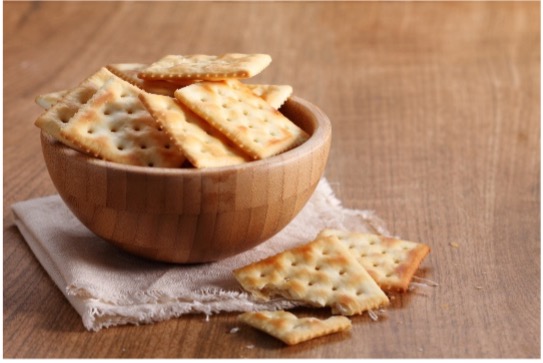
- Eat dry foods like crackers, toast, or dry cereal, when you wake up and every few hours throughout the day.
- Try small amounts of foods that are high in calories that are easy to eat (such as pudding, yogurt, or protein shakes).
- Eat foods that don’t have strong smells.
- Eat cool foods instead of hot or spicy foods.
- Try to eat popsicles or gelatin.
- Avoid eating your favorite foods when you have nausea. You might associate them with feeling sick.
- Avoid foods that are greasy, fried, spicy, or very sweet.
- Don’t eat in a room that’s warm or that has cooking odors or other smells. Cooking outside on the grill or using boiling bags can reduce cooking odors.
- Suck on hard candy like peppermint or lemon drops if there’s a bad taste in your mouth.
If You’re Vomiting:
- If you are in bed, lie down on your side so that you won’t inhale the vomit.
- Ask that medicines are prescribed in the form that would be easiest for you tolerate, such as dissolving tablets. To prevent vomiting, take the medicine as soon as you start feeling nauseous.
- Wait for the vomiting to stop before eating or drinking anything.
- Sit upright after vomiting.
- Try to drink small amounts of clear liquids or use ice chips.
Sources:
American Cancer Society, 2020. Understanding Nausea and Vomiting.
American Cancer Society, 2020. Managing Nausea and Vomiting at Home.